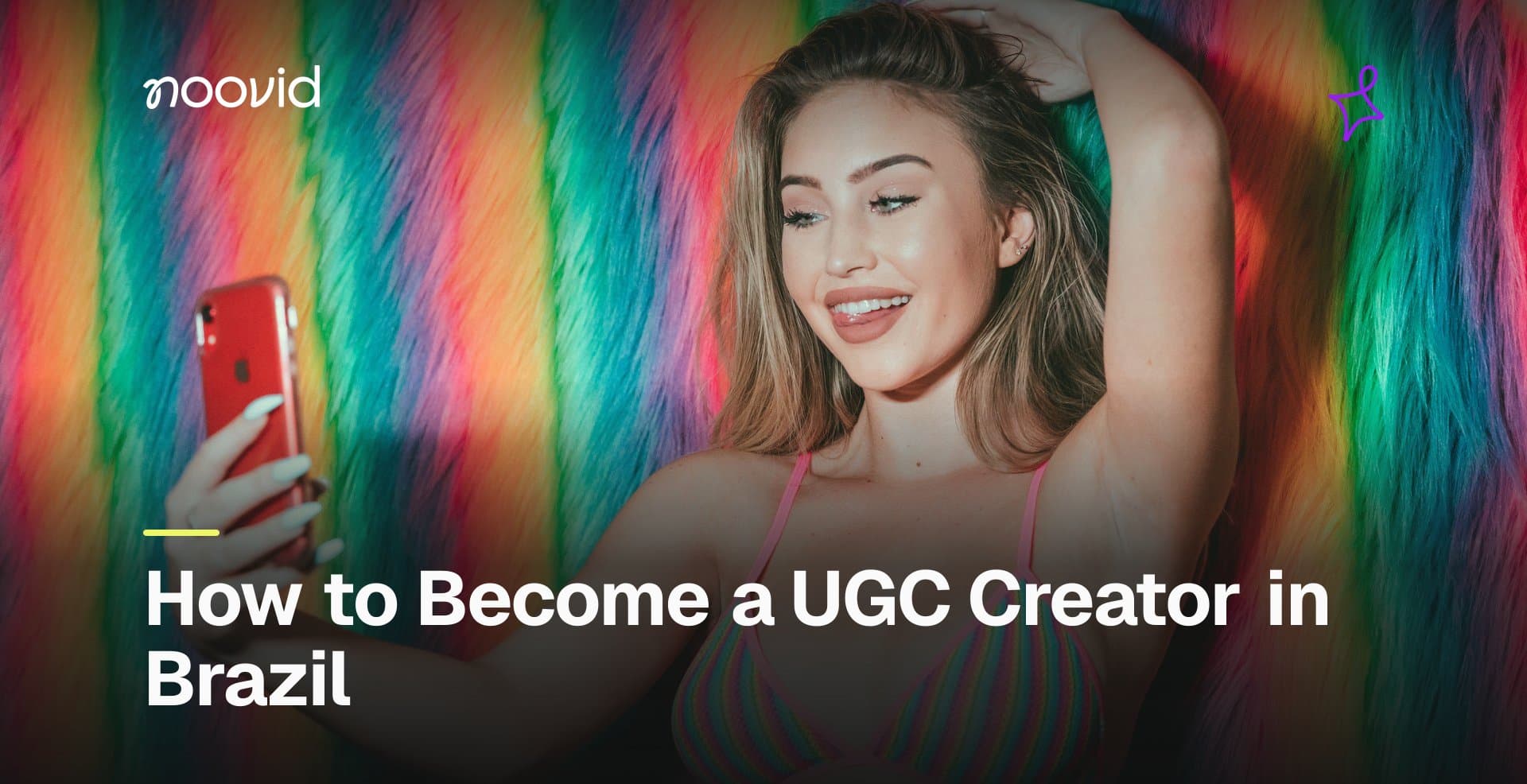
To become a UGC creator in Brazil from scratch, you do not need a large following. You need to show that you can record clear, natural, useful videos for brands. The safest path is to build a simple portfolio, practice sales-oriented formats, understand briefs, and apply for projects that fit your profile.
UGC is not about posting your whole life on your own profile. It is about creating content a brand can use.
What does a UGC creator do?
A UGC creator records videos for brands using real-person language. The content can show:
- Product in use.
- First impressions.
- A routine with the product.
- Answers to doubts.
- Before and after when truthful.
- Benefit demonstration.
The brand uses that video in ads, social channels, product pages, or other agreed channels.
When the video goes into a paid ad, usage rights come with it, meaning how long and on which channels the brand can run your image. In a direct deal, that scope can change the quoted price.
Do I need followers?
Not necessarily. Followers help with influencer work, but UGC is mainly judged by the content delivered.
What matters more:
- Natural camera presence.
- Understandable audio.
- Good lighting.
- Ability to explain.
- Following the brief.
- Delivering on time.
Build a portfolio with what you already have
Choose products you already use at home and record test videos. Do not pretend they are partnerships. Make it clear they are portfolio examples.
Record:
- One unboxing video.
- One "3 reasons to use it" video.
- One problem-and-solution video.
- One routine video.
- One objection-answer video.
With five strong examples, a brand can already understand your style.
Learn how to read a brief
A good brief explains what the brand expects. Your job is to turn that into a natural video.
Before recording, confirm:
- What is the video's goal?
- Who is the audience?
- Which lines are mandatory?
- What cannot be said?
- Where will the video be used?
- What is the deadline?
If something is unclear, ask before recording.
Take care of the technical basics
You can start with a phone, but you need to control the environment.
- Record near natural light.
- Clean the lens.
- Avoid noise.
- Use vertical framing when the channel requires it.
- Speak with energy without sounding forced.
- Record several opening options for the brand to choose from.
How do you get the first jobs?
You can pitch brands yourself, but a platform can reduce barriers. On Noovid, creators create a profile, show their portfolio, and apply for brand projects.
To improve your chances:
- Keep your portfolio updated.
- Show niches you understand.
- Reply quickly.
- Read briefs carefully.
- Deliver on time.
Pick a niche to position yourself
Most briefs concentrate in a few sectors. Beauty and skincare, supplements and nutrition, home and organization, fashion and accessories, pet, and service apps show up constantly, because these are products that sell through demonstration and repeat purchase. That is where video demand stays steady.
This does not mean you pick one niche forever. But your first portfolio videos get more traction when they point at one or two sectors. A supplement brand can tell right away whether you know how to talk about taste, texture, and routine. A skincare brand wants to see real skin and calm application.
Choose the niche around what you already use and can talk about naturally. Recording five convincing videos for a finance app you actually use is easier than faking familiarity with a product you have never touched.
The first 90 days, realistically
Nobody becomes a steady UGC creator in a week. An honest plan for the first three months looks like this.
Weeks 1 and 2: build a portfolio with products you already have at home. Record the five formats, check audio and light, and pick your three strongest pieces to feature. Do not wait for the perfect brand; you shoot with what you have.
Weeks 3 and 4: create your profile, publish the portfolio, and start applying. Apply to projects that match your niche and reply quickly when a brand reaches out. The first applications almost never convert, and that is fine.
Months 2 and 3: this is when the first real deliveries arrive. You learn to read briefs in practice, adjust your price as you gain experience, and start to see which kinds of work fit you best.
Most people quit here, and the reason is almost always the same: they expected immediate income. UGC is income that grows with portfolio and reputation, not in the first month. Treat the first 90 days as paid practice, with few projects and a lot of learning, and you keep going after others stop.
Conclusion
Starting as a UGC creator is less about fame and more about consistency. If you can communicate, record clearly, and follow a brief, you can build a portfolio and pursue your first projects.
Frequently asked questions
Do I need followers to be a UGC creator?
No. UGC is judged by the video you deliver, not the size of your audience. The brand uses the content on its own channels, so what matters is recording clearly, following the brief, and delivering on time.
How long does it take to land the first job?
It varies. With a ready portfolio and consistent applications, a few weeks is often enough to get the first reply. Profiles with no portfolio, or that apply to everything, tend to wait longer. Consistency beats luck.
What equipment do I need to start?
A phone with a decent camera, natural light or a cheap ring light, and a quiet room cover the beginning. Clean audio and good lighting matter more than an expensive camera. Upgrade your gear only when the projects justify it.
How do you become a UGC creator with no experience?
Everyone starts with no experience, which is exactly why the portfolio exists. Record test videos with products you already use, treat each piece like a real project, and use the first deliveries to learn. Experience comes from doing, not from waiting.

Written by
Noovid Team
The Noovid editorial team: UGC specialists who work hands-on with vetted creators and brands worldwide every day. We turn what's working into practical guides for getting content that sells.